
Cinematography Course
Master the Cinematographer’s Toolkit.
Designed for aspiring and emerging filmmakers, this hands on cinematography course dives deep into the art and science of visual storytelling. From mastering camera settings and lens choices to crafting compelling compositions, extensive lighting setups, and cinematic camera movement, you'll learn how to create polished, professional images with intention. Taught by an experienced cinematographer with industry proven techniques, these workshops will empower you to confidently bring your vision to the screen, whether you're shooting a short film, documentary, or feature project.
About the Course
This 8-lesson course offers an in-depth, hands on exploration of the art and craft of cinematography. Each session is designed to give you cinematic control, creative confidence, and real-world techniques used by working filmmakers.
1. Camera Settings
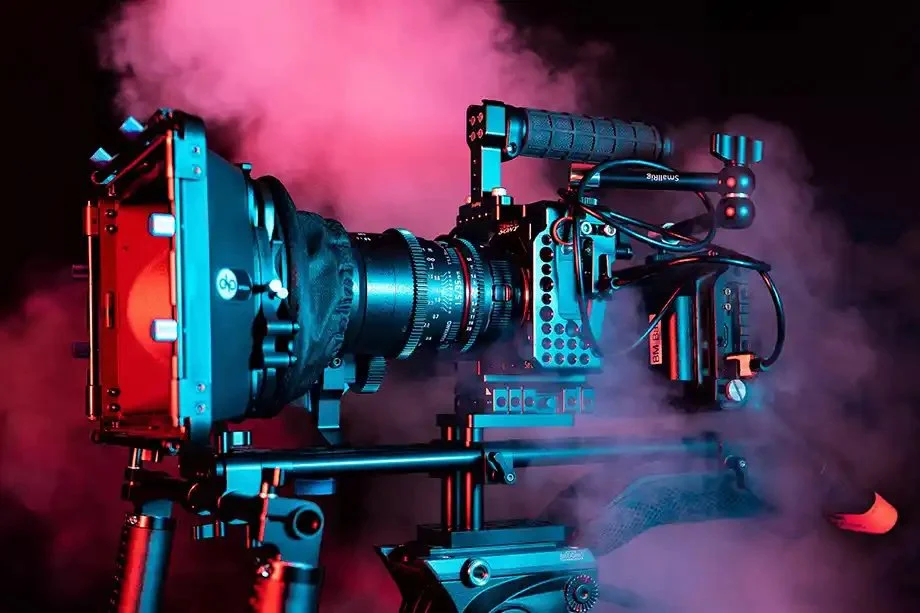
This lesson lays the groundwork for understanding how digital cameras process and record images - even before you hit record. You will explore how sensor size, resolution, dynamic range, frame rate, bit depth, codecs, and chroma subsampling impact image quality and workflow, helping you choose the optimal core settings for your project.
2. Camera Functions
This lesson focuses on the critical real-time decisions a camera operator must make while shooting on set. Students will learn to fine-tune exposure using aperture, shutter speed, ISO, and ND filters; while mastering in-camera monitoring tools like zebras, false colour, and histograms. Additional emphasis is placed on managing white balance, audio levels, and timecode, equipping operators with the technical instincts to respond quickly and confidently in dynamic shooting environments.
3. Lenses
This lesson explores how lens choice shapes the look, feel, and storytelling power of your images. Students will learn the differences between focal lengths, prime vs. zoom lenses, depth of field, and how to use lens characteristics like distortion or compression to their cinematic advantage. We’ll also dive into lens care/issues, focusing tips, filtration, and the creative decisions that turn technical lens knowledge into intentional visual language.
4. Camera Movement
This lesson explores the language of camera movement and how physical motion can elevate storytelling, guide emotional tone, and enhance visual rhythm. Students will gain hands-on experience with tripods, sliders, dollies, jibs, gimbals, and handheld rigs, learning how and when to employ each for maximum cinematic impact. Through practical drills and visual examples, this lesson trains cinematographers to plan, execute, and refine motion that feels intentional, motivated, and narratively driven.
5. Shot Composition
This lesson dives into the artistic and psychological power of shot composition, teaching students how to frame subjects in ways that elevate story, tone, and emotional impact. Students will learn how to apply visual storytelling principles like the rule of thirds, leading lines, balance, and depth, while also exploring advanced topics like graphic weight, symmetry vs. asymmetry, and compositional tension. This lesson challenges participants to move beyond basic framing and use composition as an intentional tool that communicates meaning and draws the viewer’s eye.
6. Framing & Angles
Framing is where cinematography meets storytelling intention. In this lesson, you'll learn how to control visual narrative through shot sizes, subject placement, camera height, eye-lines, and angles; manipulating space, shape, and symmetry to guide the audience’s perception. We'll explore how framing influences emotion, power dynamics, and perspective, giving you the tools to frame with purpose. By the end, you'll understand how to compose each frame not just for beauty, but for meaning.
7. Cinematic Lighting: Basics
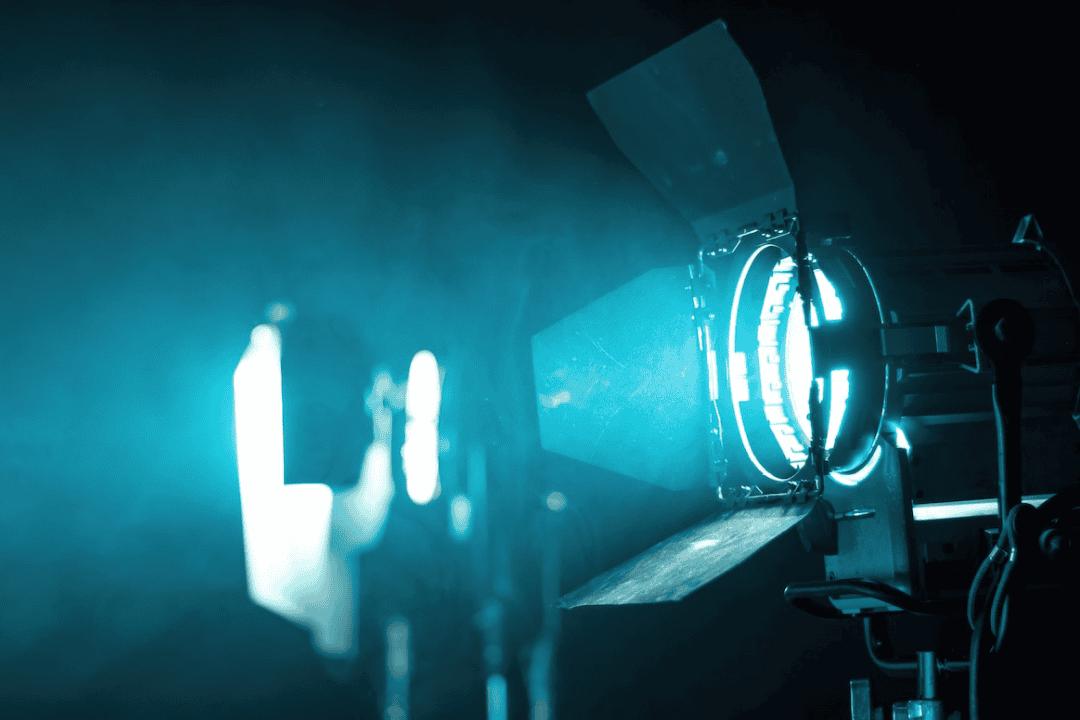
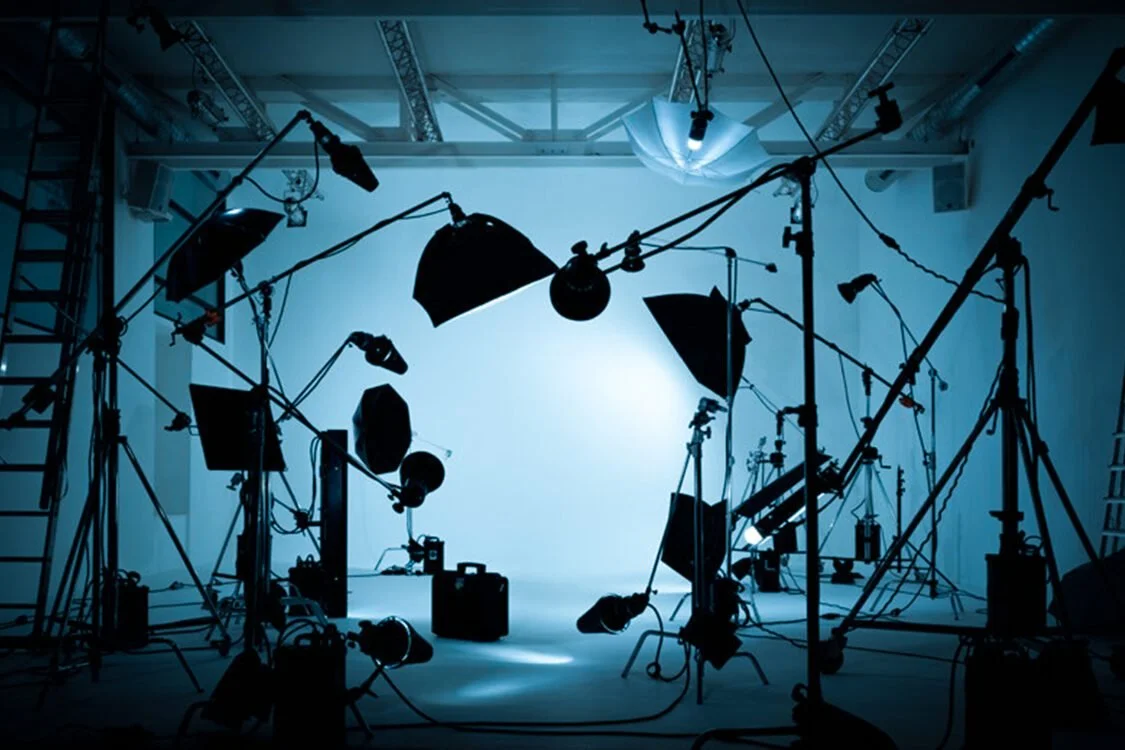
This lesson teaches the foundational principles of shaping light to support story and emotion on screen. Students will explore light quality, direction, colour theory, contrast ratios, and lighting motivation, while learning to create mood and depth with intention. The lesson also introduces essential grip and lighting tools, such as diffusion, bounces, flags, stands, & clamps, and shows how to use them to modify both natural and artificial light. Through hands-on practice, students will begin to understand how light placement and control affect the audience’s emotional response.
8. Cinematic Lighting: Advanced
This advanced lighting lesson dives deep into the seven core principles of great cinematic lighting - from tone and texture to mood and separation. Students will get hands-on with a wide range of techniques including Rembrandt, clamshell, book lighting, motivated light, and chiaroscuro, while learning how to shape and control light for storytelling. The lesson also explores real-world exterior daylight scenarios, teaching how to use bounce, diffusion, negative fill, and natural light creatively for powerful, cinematic results.
About the Instructor - Kelly Veltri

Kelly is a cinematographer, producer and entrepreneur living in Kelowna, BC. He has produced hundreds of films, music videos, documentaries, and commercial videos over his 20+ year career in film and video, gaining multiple accolades and awards for his work. Kelly is a former instructor at the Centre for Arts and Technology in the film program, where he shared his knowledge to hundreds of students in the art of independent filmmaking.
Kelly is the owner/operator of Video.Equipment - Kelowna Rental House (www.video.equipment), providing Okanagan filmmakers and content creators with the largest selection of camera, lenses, lighting, audio, & grip gear to achieve the results they need to make spectacular films and videos.
Kelly is also the current Executive Director of the non-profit organization, the Okanagan Society of Independent Filmmaking (OSIF - www.osif.org), where he has served on the board of directors, or as President, since 2006. Through his work with OSIF, Kelly is the lead organizer for the Okanagan Screen Awards and HorrorFest film festivals.